
Dental Crowns in
Edmonton for Damaged Teeth
We help you understand whether a cracked, broken, worn, or heavily filled tooth can be repaired, protected, or restored with a dental crown.
When a Dental Crown
May Be Needed
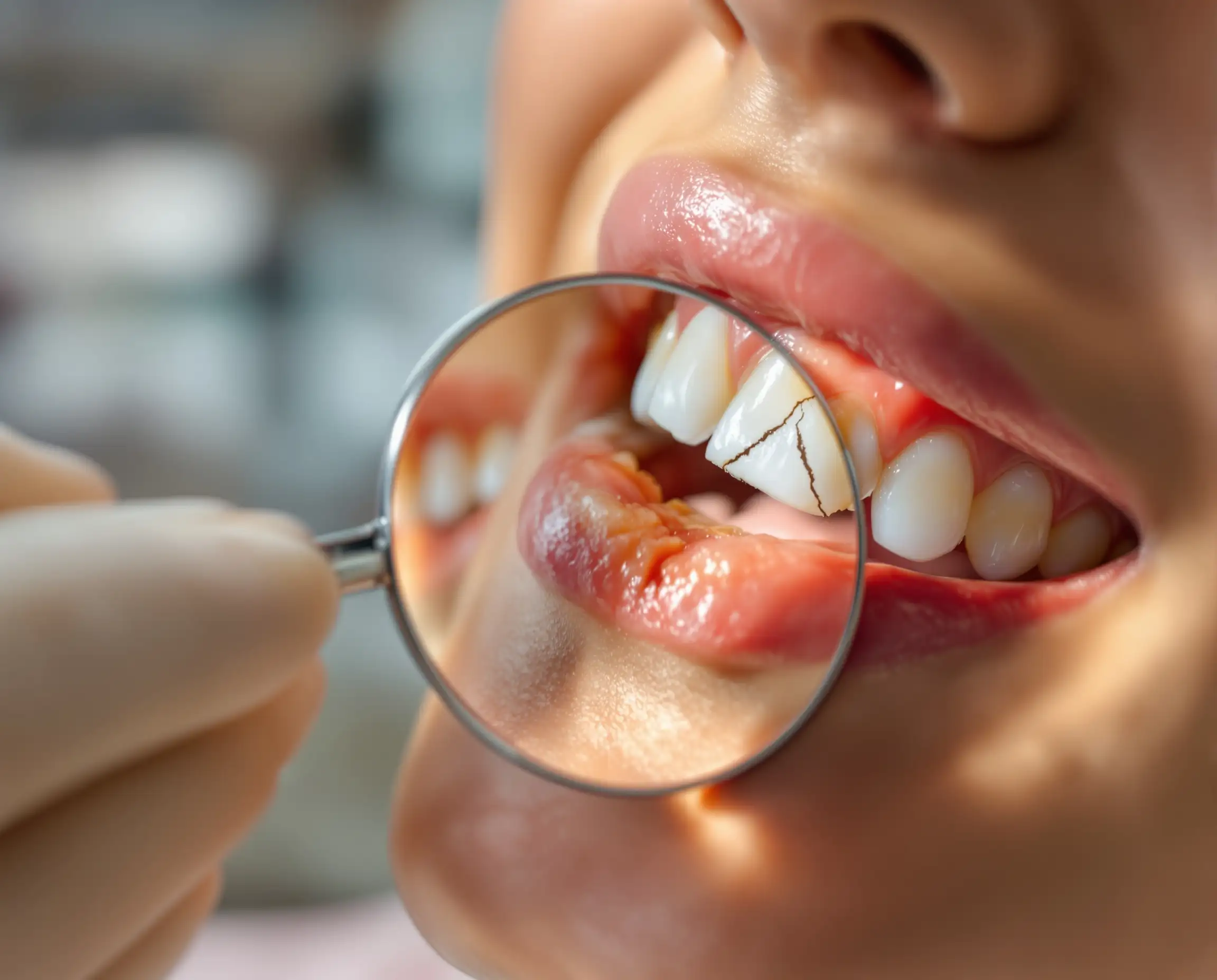
A dental crown is a custom restoration that covers and protects a tooth. We may recommend a crown when a tooth needs more support than a filling can provide.
A crown may be considered when a tooth is cracked, broken, worn down, weakened by a large filling, or at higher risk of further damage. Crowns may also be used after root canal therapy when the remaining tooth structure needs added protection.
You may want to book an appointment if you have:
You do not need to know whether you need a crown before booking. We will examine the tooth, explain what we find, and walk you through your options in plain language.

Protecting a Tooth Before
It Gets Worse
Many patients search for dental crowns Edmonton because they are worried about losing a tooth. Sometimes the tooth hurts. Sometimes it does not hurt yet, but it feels sharp, looks cracked, or has an older filling that is starting to break down.
When enough natural tooth structure is missing or weakened, a filling may not provide enough strength. A crown can help protect the remaining tooth by covering it and helping distribute chewing pressure more evenly.
That does not mean every damaged tooth needs a crown. Some teeth can be repaired with a filling or bonding. Some can be monitored. Some may need root canal therapy before a crown is placed. If a tooth cannot be predictably restored, we will explain replacement options.
We take a conservative approach to restorative dentistry. We recommend treatment based on what we see, what can be preserved, and what may help protect your oral health over time.
What to Expect With a Dental Crown
Getting a dental crown starts with an assessment. We look at the tooth, surrounding gums, bite, existing dental work, and any symptoms you are having. X-rays may be recommended so we can see the tooth structure and root area more clearly. If a crown is recommended, we will explain why. We will also discuss the type of material that may be appropriate, how the crown will function, and what the process involves.
A dental crown is designed to fit over the prepared tooth and restore shape, strength, and chewing function. Once placed, it should feel comfortable when you bite and blend naturally with your smile.
Exam & Assessment
We examine the tooth, surrounding gums, bite, and any symptoms. X-rays help us see the tooth structure and root area more clearly.
Recommendation & Materials
If a crown is recommended, we explain why and discuss material options, function, and what the process involves.
Tooth Preparation
The tooth is shaped so the crown can fit over it securely. An impression or digital scan is taken for the dental lab.
Crown Placement & Care
The custom crown is fitted, adjusted for comfort, and placed. We explain how to care for it at home to protect the margin and surrounding gums.
Dental Crown Cost and Coverage
Dental crown cost is one of the first questions many patients ask. We understand why. A crown is an investment, and you deserve to understand what may affect the cost before treatment begins.
The cost of a dental crown can depend on several factors, including the tooth involved, the condition of the tooth, the crown material, lab work, whether additional treatment is needed, and your coverage.
For example, a tooth that only needs a crown may have a different treatment plan than a tooth that also needs root canal therapy, a core buildup, or replacement of older dental work. A damaged crown may also require a different approach than a first-time placement.
What may affect crown cost:
- Tooth position and size
- Crown material (porcelain, ceramic, metal, etc.)
- Lab fees and fabrication
- Need for core buildup or post
- Additional treatment required
- Insurance plan and coverage details
We accept CDCP and offer direct billing. Coverage can vary depending on eligibility, plan details, and the treatment recommended, so we can help you understand how your coverage may apply before care moves forward.
Dental Bridges for Missing Teeth
Dental bridges are another restorative option we may discuss when one or more teeth are missing. A bridge is designed to fill a gap by using support from neighbouring teeth or dental implants, depending on the situation.
Missing teeth can affect more than appearance. A gap can make chewing harder, change how your bite feels, allow nearby teeth to shift, and place extra strain on other teeth.
A dental bridge may be considered if you want a fixed replacement option and the supporting teeth or implants are suitable. We may also discuss alternatives such as dental implants, partial dentures, or other restorative options.
Understanding the difference:
Crowns, Bridges, Implants, or Fillings
Patients often come to us unsure which restorative treatment they need. That is normal. A damaged or missing tooth can have more than one possible solution, and the right option depends on the condition of your teeth, gums, bite, budget, and long-term goals.
We will explain what is practical, what is urgent, and what can be planned. Our goal is to help you make an informed decision without pressure.
Replacing or Repairing
an Older Crown
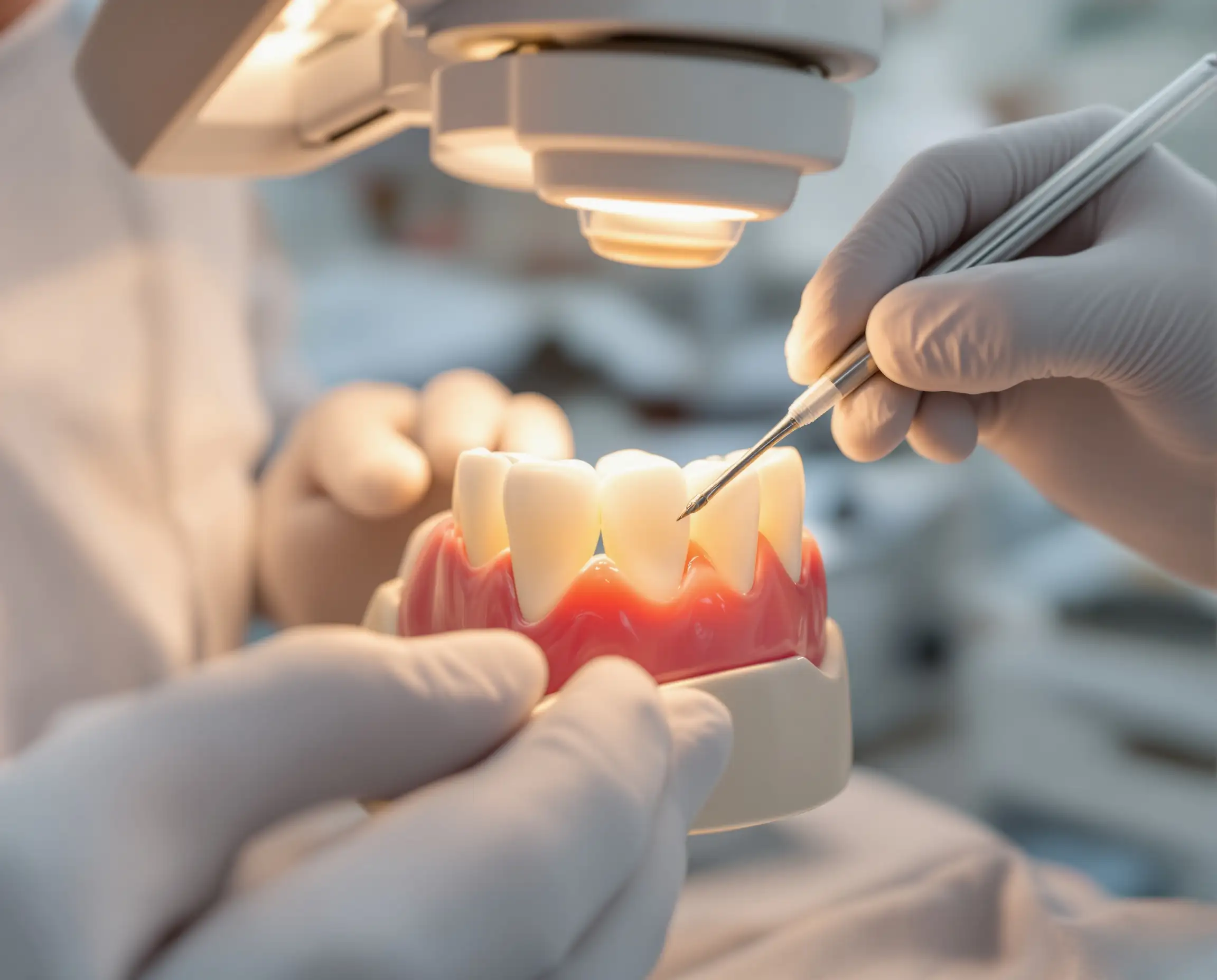
Crowns can last for years, but they can still be affected by wear, decay, bite changes, gum changes, or damage. You may need an older crown checked if it feels loose, looks chipped, has dark edges, traps food, causes discomfort, or no longer feels right when you bite.
Sometimes a crown can be recemented or adjusted. Other times, it may need to be replaced. If there is decay or damage underneath, we will explain what needs attention and why.
Signs an older crown may need attention:
If your crown falls off, keep it if you can and call us. Avoid chewing on that side until the tooth has been evaluated.
Restorative Dentistry
Without Pressure
Crowns and bridges can feel like bigger dental decisions, especially when cost, time, comfort, and long-term function are involved. We take that seriously.
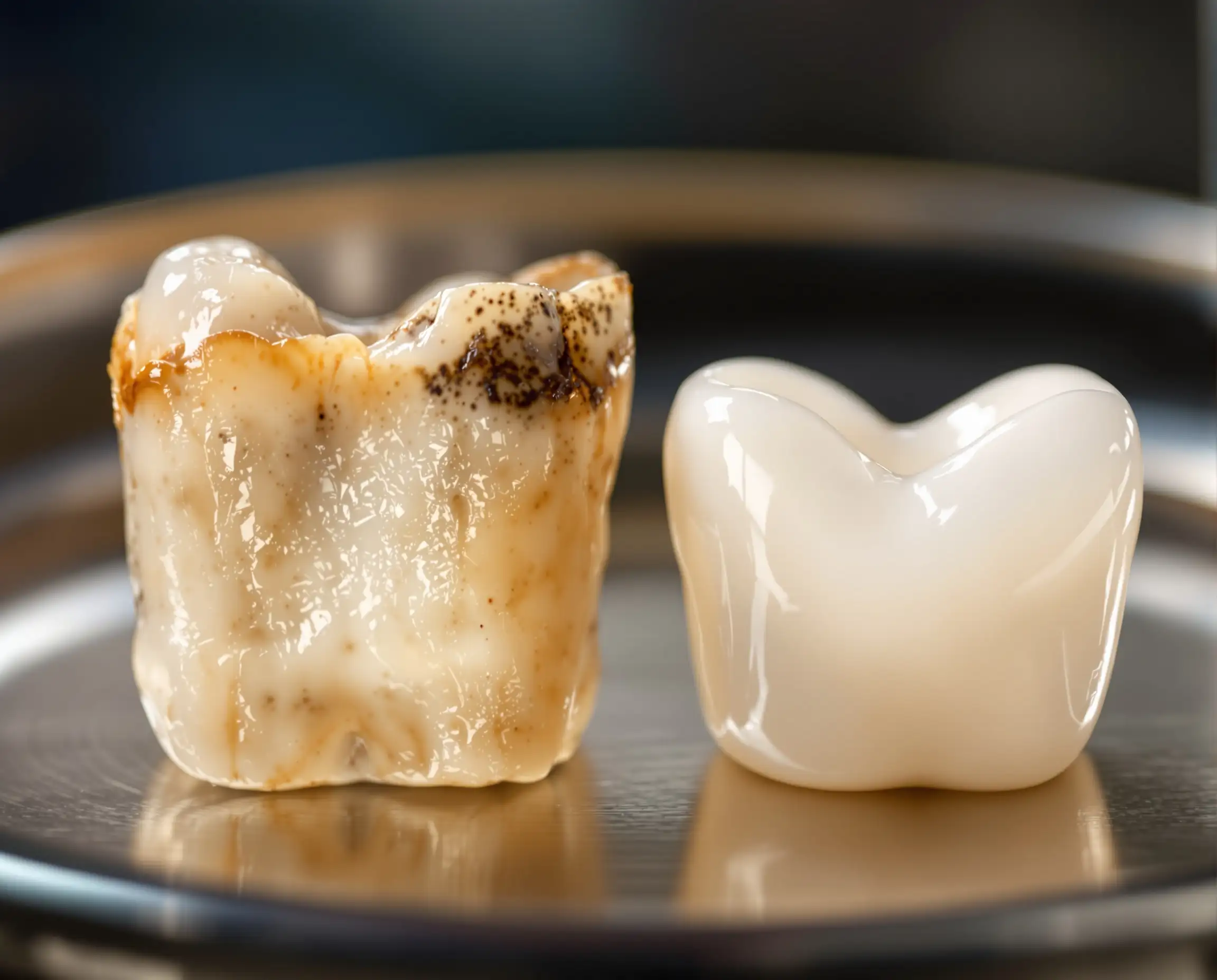
We start with an exam and a conversation. We explain what we see, show you where possible, and discuss the options available. If a crown is the right choice, we explain why. If a smaller repair may work, we will tell you. If a tooth has a poor long-term outlook, we will explain replacement options clearly.
We believe restorative dentistry should be practical, honest, and easy to understand. You should know what problem we are solving before you agree to treatment.
What you can expect from us:
Crown Treatment Near
Parkallen & South Edmonton
If you are searching for crown teeth near me or dental crowns in Edmonton, our Parkallen clinic is a convenient option for South Edmonton and Southwest Edmonton neighbourhoods.
Honest Guidance,
Practical Results
Restorative decisions can feel overwhelming. We slow things down enough to explain what is happening, what your options are, and what may help protect your tooth for the long term.
Book a Crown Consultation
in Edmonton
If you have a cracked, broken, worn, weak, or heavily filled tooth, we would be happy to help you take the next step. We can assess the tooth, explain whether a crown may be appropriate, discuss dental crown cost, and help you understand bridges or other restorative options when needed.